The Step-by-Step Process of Mohs Surgery: What Patients Can Expect
- posted: Oct. 06, 2025
When it comes to treating certain types of skin cancer, precision matters. Mohs micrographic surgery is a highly effective means of removing cancerous cells while preserving as much healthy tissue as possible. At First Capital Surgical Dermatology in St. Charles, MO, Henry W. Clever III, MD, Katherine S. Glaser, MD, and Ashley McGuinness, MD, perform Mohs surgery with an emphasis on patient comfort, thoroughness, and long-term skin health.
Why Mohs Surgery Is Chosen
Mohs surgery is often recommended for basal cell carcinoma and squamous cell carcinoma, particularly when they occur on areas of the body where conserving healthy tissue is important, such as the face, ears, or hands. It is also preferred when skin cancers are large, aggressive, or have recurred after previous treatment. The procedure offers the highest cure rate of any skin cancer treatment while minimizing scarring.
Step One: Preparing for Surgery
On the day of the procedure, patients are welcomed into the St. Charles, MO, office, and the surgical area is cleaned and numbed with local anesthesia. This ensures comfort throughout the process. General anesthesia is not needed, and patients remain awake.
Step Two: Removing the First Layer
The surgeon begins by carefully removing a thin layer of visible cancerous tissue. This initial removal is just the starting point, as the goal is to remove both the surface cancer and any traces extending beneath the skin.
Step Three: Microscopic Examination
The tissue is processed and examined under a microscope by the surgeon. Every edge and margin is checked to determine if cancer cells remain. This unique step is what makes Mohs surgery different from other skin cancer procedures. It allows for immediate evaluation while the patient waits.
Step Four: Additional Layers if Needed
If cancer cells are still present, another thin layer is removed from only the affected area. The process of removal and microscopic examination is repeated until no cancer cells remain. This step-by-step approach ensures complete removal of the cancer while sparing healthy skin.
Step Five: Repair and Recovery
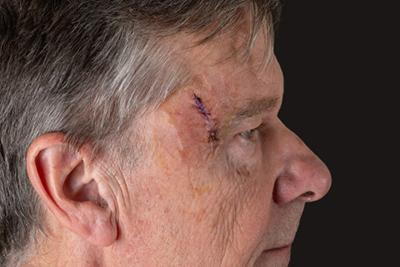
Once the cancer has been fully removed, the surgical site is evaluated for closure. Depending on the size and location of the wound, it may be closed with stitches, allowed to heal naturally, or in some cases, require a skin graft or flap for better cosmetic results. First Capital Surgical Dermatology patients receive detailed aftercare instructions to minimize scarring.
What Patients Can Expect After Surgery
Recovery typically involves some swelling, redness, or minor discomfort, which usually improves within a few days. Most patients can return to normal activities quickly, although strenuous exercise may be limited for a short period. Follow-up visits help ensure the area is healing well and that patients continue with appropriate skin cancer surveillance.
Get Trusted Expert Care
At First Capital Surgical Dermatology, Dr. Henry W. Clever III, Dr. Katherine S. Glaser, and Dr. Ashley McGuinness bring advanced training and experience in Mohs surgery. They approach every individual with clear communication, careful attention to detail, and personalized follow-up care.
If you’ve been diagnosed with skin cancer and Mohs surgery has been recommended, knowing about the process can make it less intimidating. Contact First Capital Surgical Dermatology in St. Charles, MO, by calling (636) 916-1300 to schedule an appointment and learn more about how Mohs surgery can provide effective treatment for skin cancer.
- posted: Oct. 06, 2025
When it comes to treating certain types of skin cancer, precision matters. Mohs micrographic surgery is a highly effective means of removing cancerous cells while preserving as much healthy tissue as possible. At First Capital Surgical Dermatology in St. Charles, MO, Henry W. Clever III, MD, Katherine S. Glaser, MD, and Ashley McGuinness, MD, perform Mohs surgery with an emphasis on patient comfort, thoroughness, and long-term skin health.
Why Mohs Surgery Is Chosen
Mohs surgery is often recommended for basal cell carcinoma and squamous cell carcinoma, particularly when they occur on areas of the body where conserving healthy tissue is important, such as the face, ears, or hands. It is also preferred when skin cancers are large, aggressive, or have recurred after previous treatment. The procedure offers the highest cure rate of any skin cancer treatment while minimizing scarring.
Step One: Preparing for Surgery
On the day of the procedure, patients are welcomed into the St. Charles, MO, office, and the surgical area is cleaned and numbed with local anesthesia. This ensures comfort throughout the process. General anesthesia is not needed, and patients remain awake.
Step Two: Removing the First Layer
The surgeon begins by carefully removing a thin layer of visible cancerous tissue. This initial removal is just the starting point, as the goal is to remove both the surface cancer and any traces extending beneath the skin.
Step Three: Microscopic Examination
The tissue is processed and examined under a microscope by the surgeon. Every edge and margin is checked to determine if cancer cells remain. This unique step is what makes Mohs surgery different from other skin cancer procedures. It allows for immediate evaluation while the patient waits.
Step Four: Additional Layers if Needed
If cancer cells are still present, another thin layer is removed from only the affected area. The process of removal and microscopic examination is repeated until no cancer cells remain. This step-by-step approach ensures complete removal of the cancer while sparing healthy skin.
Step Five: Repair and Recovery
Once the cancer has been fully removed, the surgical site is evaluated for closure. Depending on the size and location of the wound, it may be closed with stitches, allowed to heal naturally, or in some cases, require a skin graft or flap for better cosmetic results. First Capital Surgical Dermatology patients receive detailed aftercare instructions to minimize scarring.
What Patients Can Expect After Surgery
Recovery typically involves some swelling, redness, or minor discomfort, which usually improves within a few days. Most patients can return to normal activities quickly, although strenuous exercise may be limited for a short period. Follow-up visits help ensure the area is healing well and that patients continue with appropriate skin cancer surveillance.
Get Trusted Expert Care
At First Capital Surgical Dermatology, Dr. Henry W. Clever III, Dr. Katherine S. Glaser, and Dr. Ashley McGuinness bring advanced training and experience in Mohs surgery. They approach every individual with clear communication, careful attention to detail, and personalized follow-up care.
If you’ve been diagnosed with skin cancer and Mohs surgery has been recommended, knowing about the process can make it less intimidating. Contact First Capital Surgical Dermatology in St. Charles, MO, by calling (636) 916-1300 to schedule an appointment and learn more about how Mohs surgery can provide effective treatment for skin cancer.
This website includes materials that are protected by copyright, or other proprietary rights. Transmission or reproduction of protected items beyond that allowed by fair use, as defined in the copyright laws, requires the written permission of the copyright owners.
First Capitol Dermatology
901 South 5th Street,
St. Charles, MO 63301
Office Hours
Monday
7:30 am - 4:00 pm
Tuesday
7:30 am - 4:00 pm
Wednesday
7:30 am - 4:00 pm
Thursday
7:30 am - 4:00 pm
Friday
by appointment only
Saturday
Closed
Sunday
Closed
