Types of Skin Cancer: Melanoma, Basal Cell Carcinoma, and Squamous Cell Carcinoma
- posted: Oct. 28, 2025
Skin cancer is the most common type of cancer in the United States, affecting millions each year. While it can be serious, early detection and expert care can make an enormous difference in outcomes. At First Capitol Surgical Dermatology in St. Charles, MO, patients receive advanced, attentive care for all forms of skin cancer. Understanding the differences among melanoma, basal cell carcinoma, and squamous cell carcinoma can empower you to recognize changes early and seek treatment promptly.
Basal Cell Carcinoma: The Most Common Concern
Basal cell carcinoma (BCC) is the most frequently diagnosed type of skin cancer, developing in the skin’s basal cells, the small, round cells at the bottom of the epidermis. It typically appears on areas exposed to the sun, such as the face, neck, and arms. BCC often presents as a pearly bump, pink patch, or scaly area that may bleed easily.
Though it grows slowly and rarely spreads, it can cause local damage if left untreated. Surgical excision is one of the most effective treatments for removing basal cell carcinoma and preventing recurrence. Early detection is key to successful results and minimal scarring.
Squamous Cell Carcinoma: The Second Most Serious Skin Cancer
Squamous cell carcinoma (SCC) arises from the squamous cells that make up the majority of the outer skin layer. It is more aggressive than basal cell carcinoma but still highly treatable when caught early. SCC can appear as a firm red bump, rough patch, or sore that doesn’t heal. Chronic sun exposure, tanning beds, and weakened immune systems increase the risk of developing this type of cancer.
Surgical excision remains one of the most reliable treatments for squamous cell carcinoma, allowing dermatologists to remove the tumor entirely while preserving healthy surrounding tissue. When addressed promptly, patients often achieve complete recovery and excellent cosmetic results.
Melanoma: The Most Dangerous but Detectable When Discovered Early
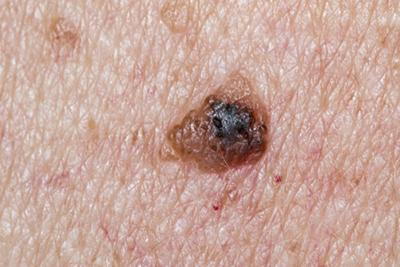
Melanoma originates in the melanocytes, the pigment-producing cells that give skin its color. It is the most dangerous form of skin cancer because of its potential to spread rapidly to other parts of the body. Melanoma often develops from an existing mole or appears as a new dark spot with irregular borders, varying color, or rapid growth.
While melanoma is serious, it is also highly curable when detected in its earliest stages. Regular skin exams, both at home and by a dermatologist, can help identify suspicious changes before they progress.
Skin cancer can be frightening, but with expert care and vigilant prevention, patients can protect their health and restore peace of mind. For trusted, compassionate skin cancer diagnosis and treatment, contact First Capitol Surgical Dermatology in St. Charles, MO, at (636) 916-1300 to schedule an appointment. Your skin’s safety and health deserve skilled surgical precision and dedicated dermatologic care.
- posted: Oct. 28, 2025
Skin cancer is the most common type of cancer in the United States, affecting millions each year. While it can be serious, early detection and expert care can make an enormous difference in outcomes. At First Capitol Surgical Dermatology in St. Charles, MO, patients receive advanced, attentive care for all forms of skin cancer. Understanding the differences among melanoma, basal cell carcinoma, and squamous cell carcinoma can empower you to recognize changes early and seek treatment promptly.
Basal Cell Carcinoma: The Most Common Concern
Basal cell carcinoma (BCC) is the most frequently diagnosed type of skin cancer, developing in the skin’s basal cells, the small, round cells at the bottom of the epidermis. It typically appears on areas exposed to the sun, such as the face, neck, and arms. BCC often presents as a pearly bump, pink patch, or scaly area that may bleed easily.
Though it grows slowly and rarely spreads, it can cause local damage if left untreated. Surgical excision is one of the most effective treatments for removing basal cell carcinoma and preventing recurrence. Early detection is key to successful results and minimal scarring.
Squamous Cell Carcinoma: The Second Most Serious Skin Cancer
Squamous cell carcinoma (SCC) arises from the squamous cells that make up the majority of the outer skin layer. It is more aggressive than basal cell carcinoma but still highly treatable when caught early. SCC can appear as a firm red bump, rough patch, or sore that doesn’t heal. Chronic sun exposure, tanning beds, and weakened immune systems increase the risk of developing this type of cancer.
Surgical excision remains one of the most reliable treatments for squamous cell carcinoma, allowing dermatologists to remove the tumor entirely while preserving healthy surrounding tissue. When addressed promptly, patients often achieve complete recovery and excellent cosmetic results.
Melanoma: The Most Dangerous but Detectable When Discovered Early
Melanoma originates in the melanocytes, the pigment-producing cells that give skin its color. It is the most dangerous form of skin cancer because of its potential to spread rapidly to other parts of the body. Melanoma often develops from an existing mole or appears as a new dark spot with irregular borders, varying color, or rapid growth.
While melanoma is serious, it is also highly curable when detected in its earliest stages. Regular skin exams, both at home and by a dermatologist, can help identify suspicious changes before they progress.
Skin cancer can be frightening, but with expert care and vigilant prevention, patients can protect their health and restore peace of mind. For trusted, compassionate skin cancer diagnosis and treatment, contact First Capitol Surgical Dermatology in St. Charles, MO, at (636) 916-1300 to schedule an appointment. Your skin’s safety and health deserve skilled surgical precision and dedicated dermatologic care.
This website includes materials that are protected by copyright, or other proprietary rights. Transmission or reproduction of protected items beyond that allowed by fair use, as defined in the copyright laws, requires the written permission of the copyright owners.
First Capitol Dermatology
901 South 5th Street,
St. Charles, MO 63301
Office Hours
Monday
7:30 am - 4:00 pm
Tuesday
7:30 am - 4:00 pm
Wednesday
7:30 am - 4:00 pm
Thursday
7:30 am - 4:00 pm
Friday
by appointment only
Saturday
Closed
Sunday
Closed
