When a Mole Becomes Cancerous: Surgical Treatment and What It Means for Patients
- posted: Feb. 09, 2026
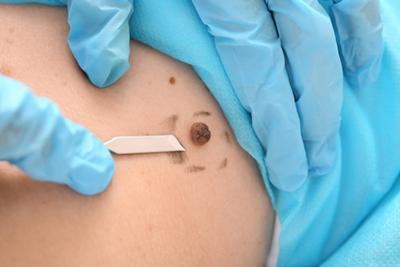
At First Capitol Surgical Dermatology in St. Charles, MO, patients are seen after a diagnosis of skin cancer has already been made. When a mole is confirmed to be cancerous, prompt and precise surgical treatment becomes essential to prevent further spread and protect long-term skin health.
Certain types of skin cancer, including melanoma, basal cell carcinoma, and squamous cell carcinoma, can develop from abnormal moles. Once cancer is identified through prior evaluation and biopsy, surgical removal is the next critical step in treatment.
Why Cancerous Moles Require Surgical Removal
When a mole becomes cancerous, abnormal cells begin growing beyond normal boundaries. Without complete removal, these cells may continue to spread into surrounding tissue and, in some cases, deeper structures.
Surgical treatment ensures that cancerous tissue is fully eliminated. Removing the mole along with an appropriate margin of surrounding skin reduces the risk of recurrence and helps protect nearby healthy tissue.
For cancers located in visible or sensitive areas, precision is especially important to balance complete removal with cosmetic and functional outcomes.
How Surgical Treatment Is Performed
Treatment plans are based on the type, size, depth, and location of the cancerous mole. In many cases, Mohs surgery is used to remove the cancer layer by layer while examining each section under a microscope. This technique confirms that all cancer cells are removed before the procedure is completed.
For other cases, standard surgical excision may be recommended. This involves removing the cancerous mole in one piece along with surrounding tissue and closing the area with sutures.
Both approaches focus on eliminating cancer while preserving as much healthy skin as possible.
Recovery and Healing After Mole Removal
After surgical treatment, patients receive detailed instructions to support proper healing. This includes guidance on wound care, activity limitations, and sun protection.
Most surgical sites heal gradually over several weeks. Some scarring is expected, but careful technique and proper aftercare help minimize long-term visibility. Follow-up visits allow the surgical team to monitor healing and address any concerns.
Long-Term Care After Treatment
Patients who have had cancerous moles removed remain at increased risk for future skin cancers. Protecting treated areas from sun exposure and following ongoing care recommendations supports long-term skin health.
Consistent preventive habits and awareness of personal risk factors play an important role in maintaining positive outcomes after surgery.
Surgical Care for Cancerous Moles in St. Charles, MO
At First Capitol Surgical Dermatology in St. Charles, MO, care is focused exclusively on surgical treatment for patients who have already been diagnosed with skin cancer. The practice provides precise, specialized removal of cancerous moles using advanced surgical techniques.
Patients referred for treatment can expect focused care designed to remove cancer thoroughly while protecting surrounding skin and supporting long-term health. Call (636) 916-1300 today.
- posted: Feb. 09, 2026
At First Capitol Surgical Dermatology in St. Charles, MO, patients are seen after a diagnosis of skin cancer has already been made. When a mole is confirmed to be cancerous, prompt and precise surgical treatment becomes essential to prevent further spread and protect long-term skin health.
Certain types of skin cancer, including melanoma, basal cell carcinoma, and squamous cell carcinoma, can develop from abnormal moles. Once cancer is identified through prior evaluation and biopsy, surgical removal is the next critical step in treatment.
Why Cancerous Moles Require Surgical Removal
When a mole becomes cancerous, abnormal cells begin growing beyond normal boundaries. Without complete removal, these cells may continue to spread into surrounding tissue and, in some cases, deeper structures.
Surgical treatment ensures that cancerous tissue is fully eliminated. Removing the mole along with an appropriate margin of surrounding skin reduces the risk of recurrence and helps protect nearby healthy tissue.
For cancers located in visible or sensitive areas, precision is especially important to balance complete removal with cosmetic and functional outcomes.
How Surgical Treatment Is Performed
Treatment plans are based on the type, size, depth, and location of the cancerous mole. In many cases, Mohs surgery is used to remove the cancer layer by layer while examining each section under a microscope. This technique confirms that all cancer cells are removed before the procedure is completed.
For other cases, standard surgical excision may be recommended. This involves removing the cancerous mole in one piece along with surrounding tissue and closing the area with sutures.
Both approaches focus on eliminating cancer while preserving as much healthy skin as possible.
Recovery and Healing After Mole Removal
After surgical treatment, patients receive detailed instructions to support proper healing. This includes guidance on wound care, activity limitations, and sun protection.
Most surgical sites heal gradually over several weeks. Some scarring is expected, but careful technique and proper aftercare help minimize long-term visibility. Follow-up visits allow the surgical team to monitor healing and address any concerns.
Long-Term Care After Treatment
Patients who have had cancerous moles removed remain at increased risk for future skin cancers. Protecting treated areas from sun exposure and following ongoing care recommendations supports long-term skin health.
Consistent preventive habits and awareness of personal risk factors play an important role in maintaining positive outcomes after surgery.
Surgical Care for Cancerous Moles in St. Charles, MO
At First Capitol Surgical Dermatology in St. Charles, MO, care is focused exclusively on surgical treatment for patients who have already been diagnosed with skin cancer. The practice provides precise, specialized removal of cancerous moles using advanced surgical techniques.
Patients referred for treatment can expect focused care designed to remove cancer thoroughly while protecting surrounding skin and supporting long-term health. Call (636) 916-1300 today.
This website includes materials that are protected by copyright, or other proprietary rights. Transmission or reproduction of protected items beyond that allowed by fair use, as defined in the copyright laws, requires the written permission of the copyright owners.
First Capitol Dermatology
901 South 5th Street,
St. Charles, MO 63301
Office Hours
Monday
7:30 am - 4:00 pm
Tuesday
7:30 am - 4:00 pm
Wednesday
7:30 am - 4:00 pm
Thursday
7:30 am - 4:00 pm
Friday
by appointment only
Saturday
Closed
Sunday
Closed
