Treatment Options for Cancerous Moles: What You Need to Know
- posted: Mar. 21, 2025
At First Capitol Surgical Dermatology in St. Charles, MO, Dr. Hank Clever and Dr. Katherine Glaser provide expert care for patients dealing with cancerous moles. Skin cancer is one of the most common types of cancer, and cancerous moles, such as melanoma, can be life-threatening if not detected and treated early. Our team specializes in treating these moles with the latest, most effective methods to ensure the best possible outcomes.
What Are Cancerous Moles?
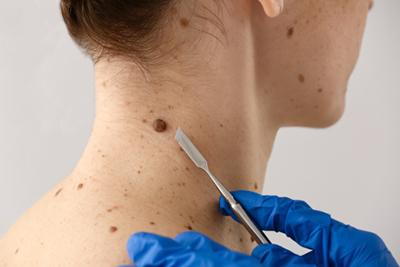
Cancerous moles, often caused by melanoma or other types of skin cancer, typically begin as changes in existing moles or the development of new growths on the skin. These moles may appear irregular in shape, have uneven colors, or grow in size over time. Melanoma is the most aggressive form of skin cancer and can spread to other parts of the body if not treated early. Recognizing the signs and seeking professional care is crucial in preventing the progression of cancerous moles.
Treatment Options for Cancerous Moles
Surgical Excision
Surgical excision is the most common treatment for cancerous moles, particularly for those that are in the early stages. During this procedure, the dermatologist removes the cancerous mole along with a small margin of healthy tissue around it to ensure that all abnormal cells are excised. This method is highly effective for small, localized melanoma and basal or squamous cell carcinomas.Mohs Micrographic Surgery
For larger or more complex cancerous moles, Mohs micrographic surgery is an advanced treatment option. This technique involves removing the cancerous tissue layer by layer and examining each layer under a microscope to ensure that no cancerous cells remain. Mohs surgery is particularly useful for moles located in sensitive areas, such as the face or other high-risk zones, as it allows for the precise removal of only the cancerous tissue, minimizing damage to surrounding healthy skin.Cryotherapy
Cryotherapy, or freezing therapy, is sometimes used for non-melanoma cancerous moles that are superficial or in early stages. During this procedure, liquid nitrogen is applied to the mole, causing the abnormal cells to freeze and die. Cryotherapy is a less invasive option than excision but is typically only suitable for smaller, less aggressive moles.Radiation Therapy
In some cases, radiation therapy may be recommended for cancerous moles that cannot be surgically removed, such as those located in difficult-to-treat areas. Radiation uses high-energy rays to target and destroy cancer cells. This treatment is often used in conjunction with surgery, especially if there’s a risk of recurrence or if the mole is in a location where surgery would cause significant scarring or tissue damage.Immunotherapy and Targeted Therapy
For melanoma and other advanced skin cancers, immunotherapy and targeted therapies may be considered. These therapies work by boosting the body’s immune system or targeting specific cancer cells to stop their growth and spread.
Reach Out Today
If you’ve noticed changes in a mole or are concerned about skin cancer, don’t wait to seek help. Dr. Hank Clever and Dr. Katherine Glaser at First Capitol Surgical Dermatology in St. Charles, MO, specialize in the treatment of cancerous moles. For more information or to schedule a consultation, call us at 636-916-1300.
- posted: Mar. 21, 2025
At First Capitol Surgical Dermatology in St. Charles, MO, Dr. Hank Clever and Dr. Katherine Glaser provide expert care for patients dealing with cancerous moles. Skin cancer is one of the most common types of cancer, and cancerous moles, such as melanoma, can be life-threatening if not detected and treated early. Our team specializes in treating these moles with the latest, most effective methods to ensure the best possible outcomes.
What Are Cancerous Moles?
Cancerous moles, often caused by melanoma or other types of skin cancer, typically begin as changes in existing moles or the development of new growths on the skin. These moles may appear irregular in shape, have uneven colors, or grow in size over time. Melanoma is the most aggressive form of skin cancer and can spread to other parts of the body if not treated early. Recognizing the signs and seeking professional care is crucial in preventing the progression of cancerous moles.
Treatment Options for Cancerous Moles
Surgical Excision
Surgical excision is the most common treatment for cancerous moles, particularly for those that are in the early stages. During this procedure, the dermatologist removes the cancerous mole along with a small margin of healthy tissue around it to ensure that all abnormal cells are excised. This method is highly effective for small, localized melanoma and basal or squamous cell carcinomas.Mohs Micrographic Surgery
For larger or more complex cancerous moles, Mohs micrographic surgery is an advanced treatment option. This technique involves removing the cancerous tissue layer by layer and examining each layer under a microscope to ensure that no cancerous cells remain. Mohs surgery is particularly useful for moles located in sensitive areas, such as the face or other high-risk zones, as it allows for the precise removal of only the cancerous tissue, minimizing damage to surrounding healthy skin.Cryotherapy
Cryotherapy, or freezing therapy, is sometimes used for non-melanoma cancerous moles that are superficial or in early stages. During this procedure, liquid nitrogen is applied to the mole, causing the abnormal cells to freeze and die. Cryotherapy is a less invasive option than excision but is typically only suitable for smaller, less aggressive moles.Radiation Therapy
In some cases, radiation therapy may be recommended for cancerous moles that cannot be surgically removed, such as those located in difficult-to-treat areas. Radiation uses high-energy rays to target and destroy cancer cells. This treatment is often used in conjunction with surgery, especially if there’s a risk of recurrence or if the mole is in a location where surgery would cause significant scarring or tissue damage.Immunotherapy and Targeted Therapy
For melanoma and other advanced skin cancers, immunotherapy and targeted therapies may be considered. These therapies work by boosting the body’s immune system or targeting specific cancer cells to stop their growth and spread.
Reach Out Today
If you’ve noticed changes in a mole or are concerned about skin cancer, don’t wait to seek help. Dr. Hank Clever and Dr. Katherine Glaser at First Capitol Surgical Dermatology in St. Charles, MO, specialize in the treatment of cancerous moles. For more information or to schedule a consultation, call us at 636-916-1300.
This website includes materials that are protected by copyright, or other proprietary rights. Transmission or reproduction of protected items beyond that allowed by fair use, as defined in the copyright laws, requires the written permission of the copyright owners.
First Capitol Dermatology
901 South 5th Street,
St. Charles, MO 63301
Office Hours
Monday
7:30 am - 4:00 pm
Tuesday
7:30 am - 4:00 pm
Wednesday
7:30 am - 4:00 pm
Thursday
7:30 am - 4:00 pm
Friday
by appointment only
Saturday
Closed
Sunday
Closed
